JAMA: Lung cancer screening opens opportunity to help patients quit tobacco
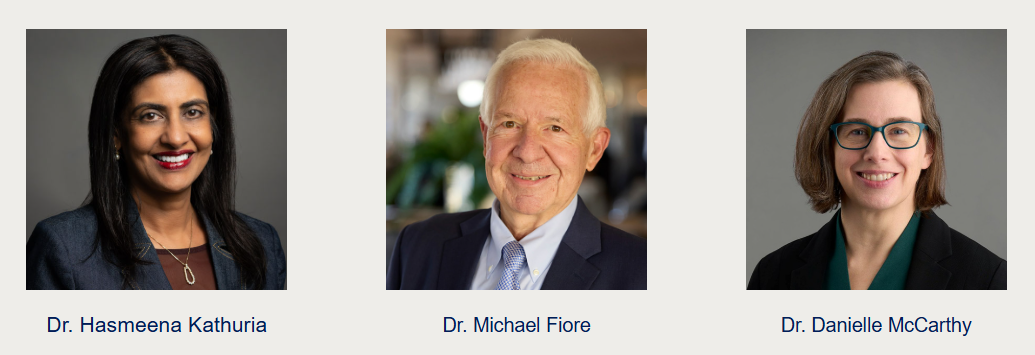
In a recent editorial paper in JAMA, UW-CTRI researchers Dr. Hasmeena Kathuria, Dr. Michael Fiore and Dr. Danielle McCarthy pointed out that clinicians have a tremendous opportunity to position lung cancer screening as the entry point to a continuum of care to help patients quit tobacco use.
“It highlights the need for coordinated, longitudinal, scalable, evidence-based strategies to help patients with cancer to quit tobacco use,” Kathuria said.
The authors commented on a paper in the same issue of JAMA that found asking all patients who were referred for lung cancer screening about their tobacco use, advising them to quit and referring them to treatment yielded better results than not doing so, and that offering financial incentives and free medications improved results even further. While quit rates were modest, the authors pointed out that successfully quitting smoking is a huge win for those individuals and their loved ones. Plus, the treatment to do so is cost-effective for health systems.
“It’s further proof that tobacco treatment is the fourth pillar of cancer care,” Fiore said.
The American College of Surgeons Commission on Cancer agrees. They established performance standards requiring systematic screening for tobacco use at diagnosis and provision of (or referral to) evidence-based cessation treatment within 30 days of diagnosis.
“Health systems can learn how to systematically integrate tobacco treatment into healthcare by using our free Tobacco Treatment Roadmap online,” McCarthy said.
The Roadmap was created by the Cancer Center Cessation Initiative under McCarthy’s direction at UW-CTRI and sponsored by NCI.