Ultrasonic vapes ≠ reduced toxins
A new, popular vaping technology comes with statements implying reduced harm. But researchers and clinicians are concerned about early testing to the contrary.
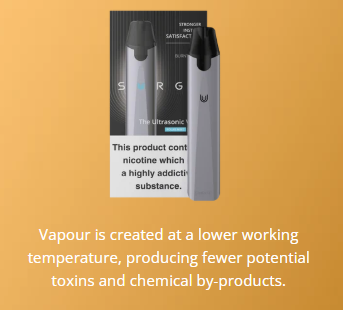
Popular vaping companies like Lost Mary and Surge have introduced “ultrasonic” vaping systems that use high-frequency vibrations to aerosolize e-liquid.
Unlike traditional vaping systems, which generate aerosol by heating liquid with metal coils (like in a JUUL device), ultrasonic devices use vibrating components to create the aerosol.
While original versions of ultrasonic vapes were available back in 2019, the 2026 products combine ultrasonic and coil-heating technologies and offer multiple user-selectable settings.
Surge claims on its website that its vapor is “created at a lower working temperature, producing fewer potential toxins and chemical by-products.”
However, research published in the journal Environmental Health Perspectivesfound that might not be the case. Dr. Esther Omaiye of the University of Cal-Riverside and co-authors found that Surge fluids and aerosols contained both arsenic and selenium; both of these substances are on the FDA list of Harmful and Potentially Harmful Chemicals. They concluded that ultrasonic vapes neither reduce nor eliminate exposures to toxins. They may even make it worse.

“This is another example of the tobacco industry introducing products that may be perceived as less harmful despite limited evidence to support those claims,” said pulmonologist and UW-CTRI Director Dr. Hasmeena Kathuria. “That’s especially true when people combine smoking with vaping.”
Vaping devices come in fruity flavors that make it easier to become addicted and make it harder to quit. Kathuria advises her patients, “The only safe amount of tobacco is no tobacco.”
For more Product Watch articles, click here.