Vape Check Study
The UW School of Medicine and Public Health is running a study to set the record straight on the effects of vaping.
Importantly, we’re not setting out to “find harm” caused by vaping; we’re just testing how vaping affects the human body (good or bad).
This study is currently full. For a list of other UW-CTRI studies, click here.
Participants who vape will get to find out if and/or how vaping affects them.
What Participants Do
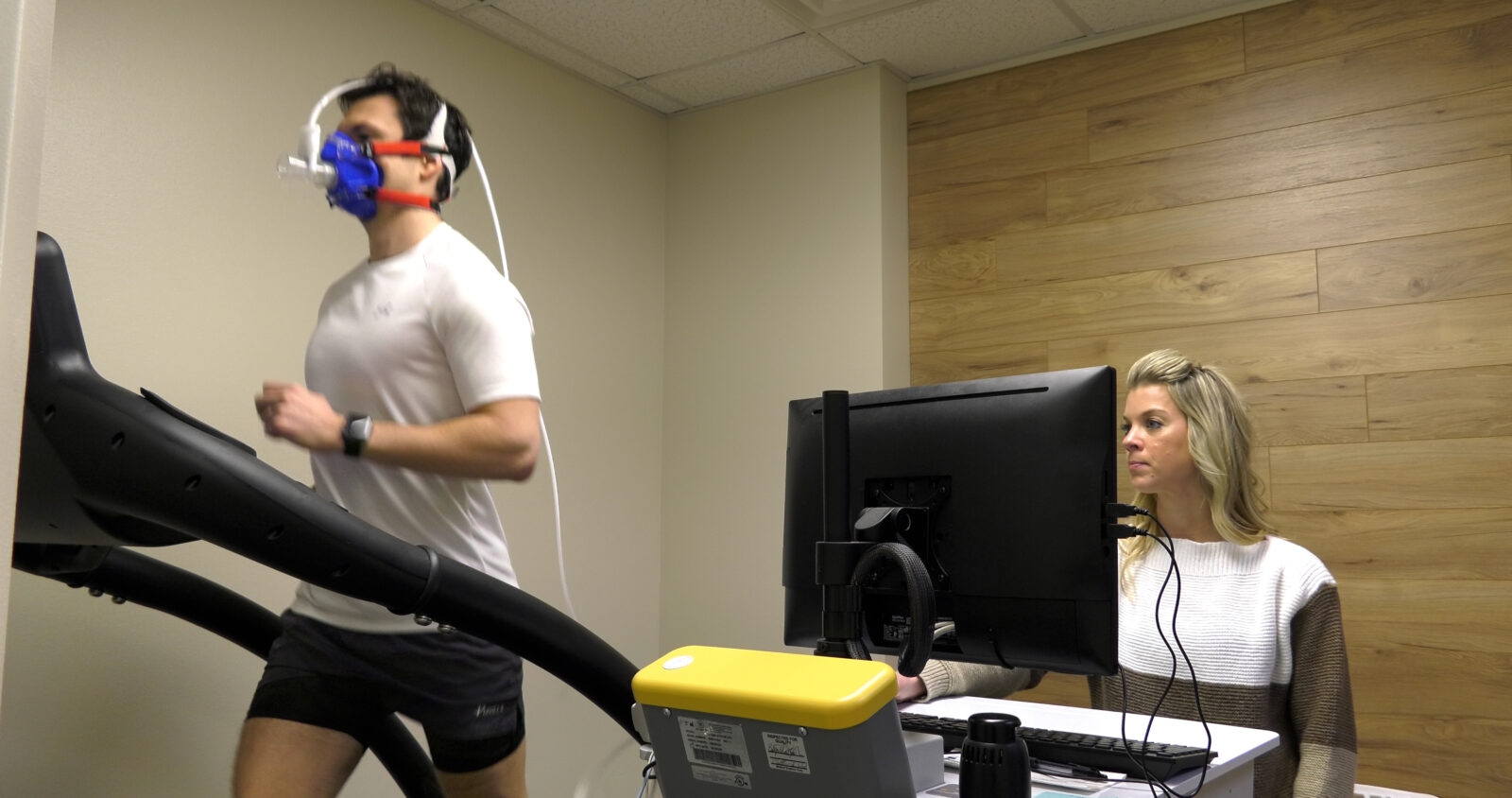
Participants meet a friendly team of UW cardiology and pulmonology collaborators. The study team uses ultrasound machines to check participants’ arteries; researchers check whether these arteries are becoming injured or undergoing other changes. They investigate participants’ heart rate variability. They also perform cardiopulmonary stress tests to assess participants’ fitness levels (VO2 max). There are occasional virtual and in-person visits over three years.

Participants get CT scans (a diagnostic imaging procedure that uses a combination of X-rays and computer technology) to evaluate their lung function and evidence of harm.
Researchers will test participants’ vital signs and obtain blood samples for inflammation and cardiometabolic health. They will ask about participants’ vaping. They’ll determine if and how biomarker changes are related to vaping patterns and heaviness over time.